

分享至
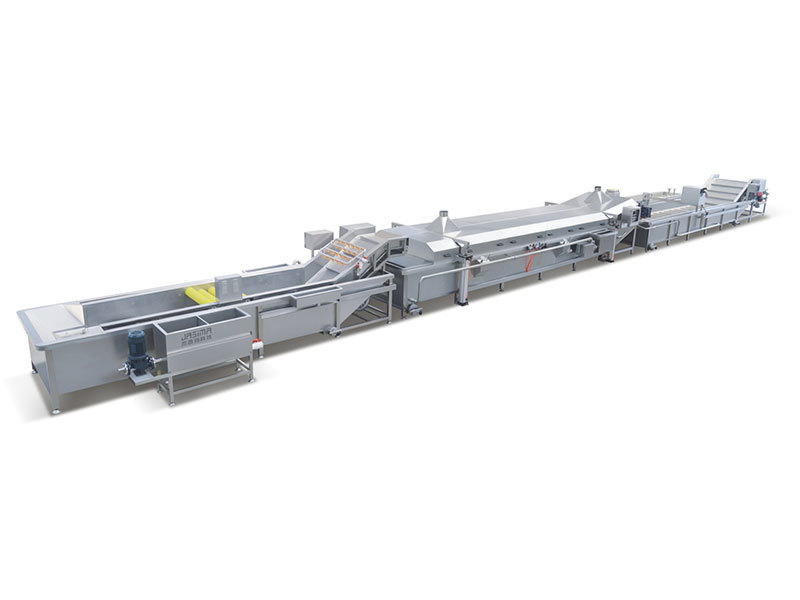
Blanching line
还在犹豫?先获取样品,联系我们!
标签列表
- Details
-
Product Description
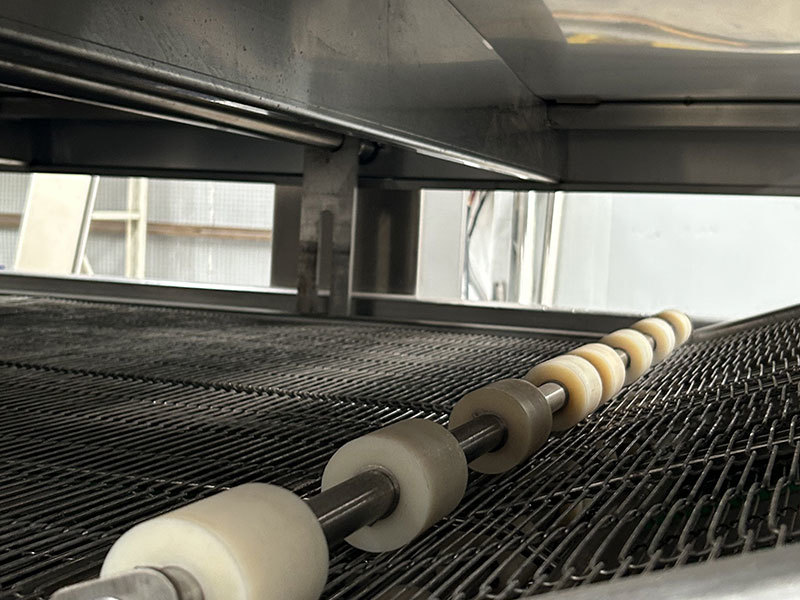
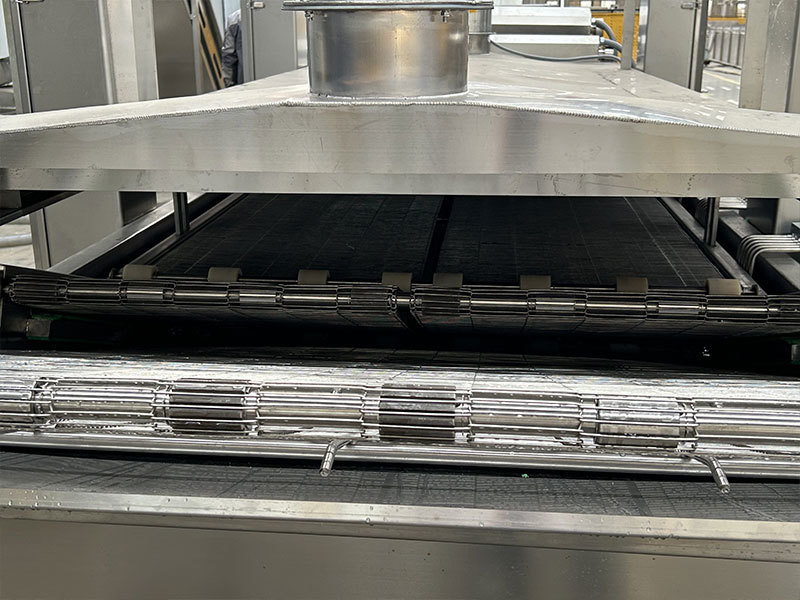
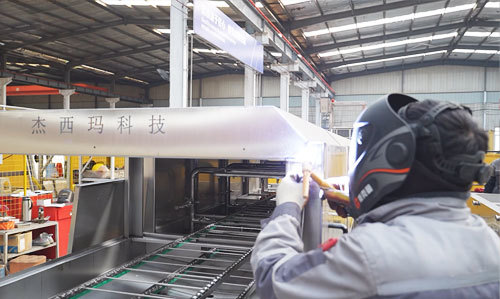
A blanching line is an essential piece of equipment in the food processing industry, particularly for vegetables and fruits. The primary purpose of blanching is to inactivate enzymes that can cause spoilage, to clean the product, and to prepare it for further processing such as freezing or canning. The blanching process typically involves briefly heating the product in hot water or steam, followed by rapid cooling.Product Parameters
Capacity
Blanching lines can vary significantly in capacity, ranging from small-scale units processing a few hundred kilograms per hour to large industrial lines capable of handling several tons per hour.
Temperature Control
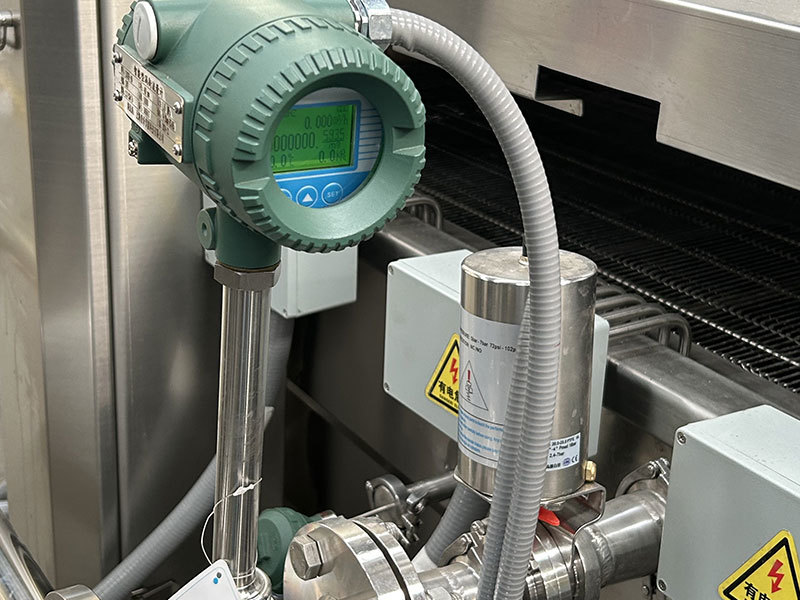
Precise temperature control is crucial, with typical blanching temperatures ranging from 70°C to 100°C (158°F to 212°F).
Heating Medium
Options include hot water or steam, with steam being more energy-efficient and faster.
Cooling System
After blanching, the product is usually cooled using cold water or air to halt the cooking process.
Material
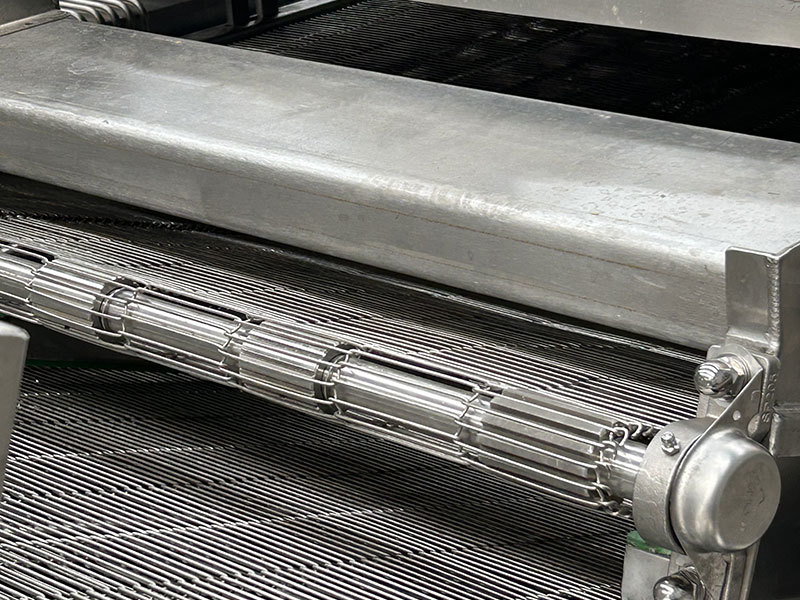
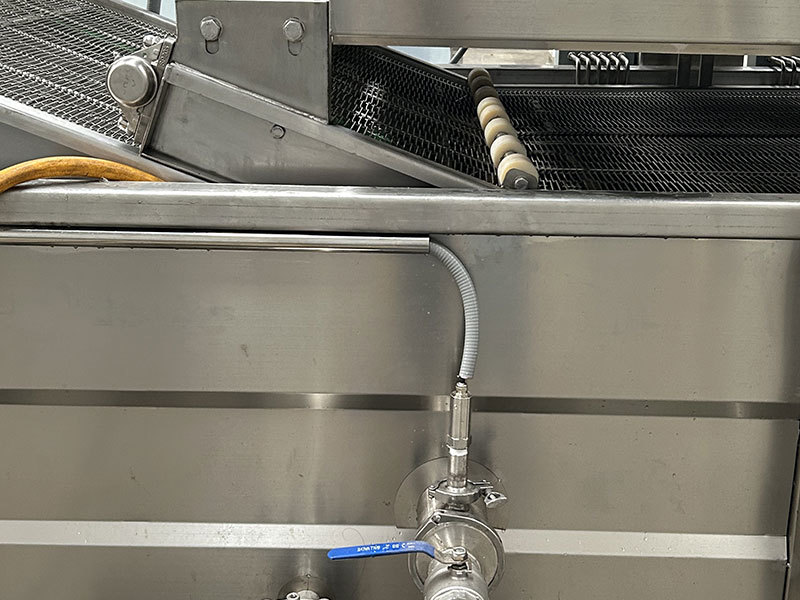
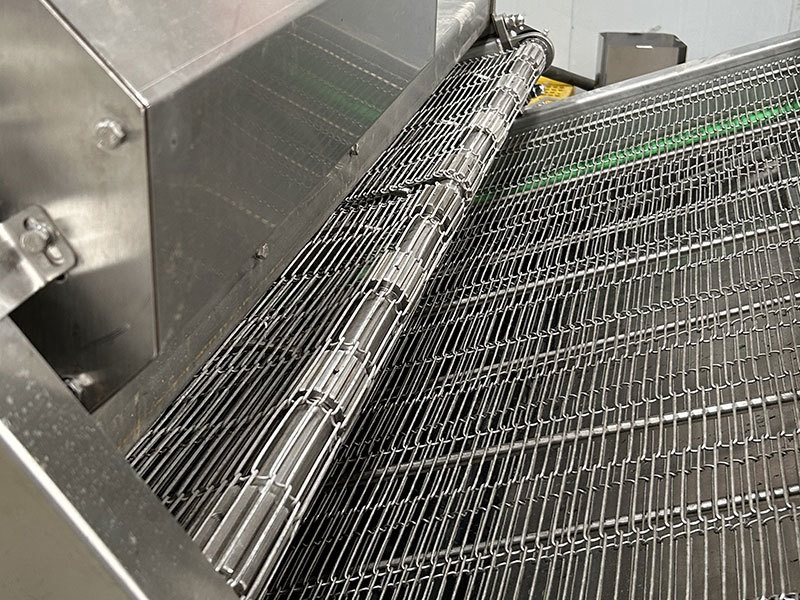
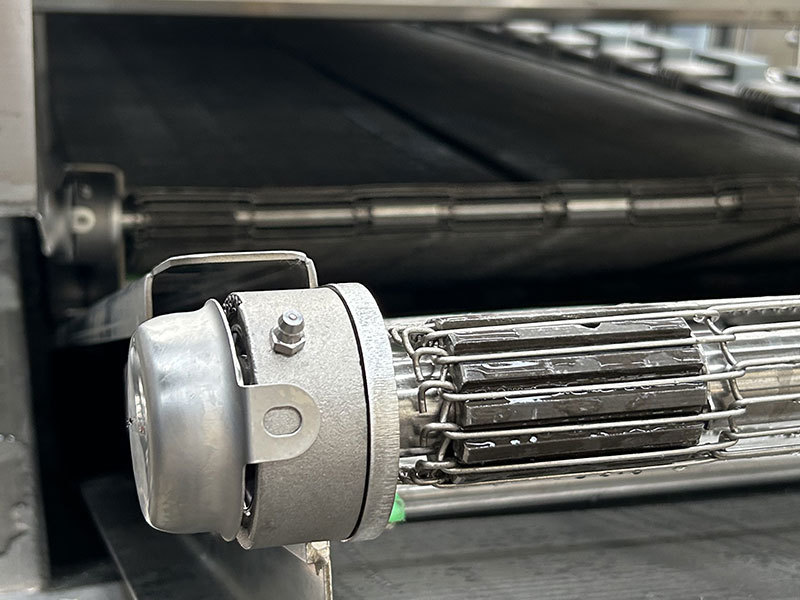
The equipment is typically made from stainless steel to ensure hygiene and durability. Automation
Modern blanching lines often feature automated controls for temperature, timing, and conveyor speed, ensuring consistent quality and reducing labor costs.
Blanching line
还在犹豫?先获取样品,联系我们!
- Details
-
Product Description
A blanching line is an essential piece of equipment in the food processing industry, particularly for vegetables and fruits. The primary purpose of blanching is to inactivate enzymes that can cause spoilage, to clean the product, and to prepare it for further processing such as freezing or canning. The blanching process typically involves briefly heating the product in hot water or steam, followed by rapid cooling.Product Parameters
Capacity
Blanching lines can vary significantly in capacity, ranging from small-scale units processing a few hundred kilograms per hour to large industrial lines capable of handling several tons per hour.
Temperature Control
Precise temperature control is crucial, with typical blanching temperatures ranging from 70°C to 100°C (158°F to 212°F).
Heating Medium
Options include hot water or steam, with steam being more energy-efficient and faster.
Cooling System
After blanching, the product is usually cooled using cold water or air to halt the cooking process.
Material
The equipment is typically made from stainless steel to ensure hygiene and durability. Automation
Modern blanching lines often feature automated controls for temperature, timing, and conveyor speed, ensuring consistent quality and reducing labor costs.
实力

认证
常见问题


立即咨询
注意:请留下您的邮箱地址,我们的专业人员会尽快与您联系!


Copyright © 2025 山东杰西玛机械科技有限公司